

Warehouse humidity control plays a vital role in protecting valuable metal assets from corrosion, rust, and long-term degradation. In Australia’s diverse climate which ranges from humid coastal regions to arid inland zones, the fluctuating temperature and moisture levels can wreak havoc on stored equipment, components, and machinery. Without proper humidity management, metal surfaces can quickly oxidise, leading to costly damage and reduced product lifespan.
Fortunately, modern solutions such as VCI solutions are transforming how warehouses safeguard their inventory. By combining humidity regulation with VCI corrosion protection solutions businesses can create a stable, low-moisture environment that prevents corrosion at its source. This integrated approach not only extends the life of stored metals but also reduces maintenance costs and ensures assets remain in pristine condition. Effective warehouse humidity control is no longer just good practice – it’s a crucial investment in long-term operational reliability and asset protection.
The Science of Humidity and Corrosion
Humidity and corrosion are closely linked, especially in environments where metal assets are stored for long periods. When relative humidity (RH) rises above 60 per cent, microscopic layers of moisture begin to form on metal surfaces, setting the stage for oxidation and rust. The higher the humidity, the faster corrosion occurs, particularly when combined with pollutants, temperature fluctuations, and poor air circulation.
In warehouse environments, condensation often develops when the air temperature drops below the dew point, causing moisture to settle on cold metal surfaces. This leads to electrochemical reactions that weaken the integrity of the material. Even short-term exposure to high humidity can trigger corrosion, especially in coastal or tropical regions where moisture levels remain elevated year-round.
Understanding these conditions is essential for developing effective humidity control systems. Maintaining stable temperature and humidity levels – alongside protective technologies such as Volatile Corrosion Inhibitor (VCI) solutions – helps minimise metal degradation, prevent rust formation, and extend the lifespan of valuable equipment. When applied correctly, VCI systems create a molecular barrier that prevents oxygen and water vapour from reacting with the metal surface, even in challenging warehouse climates.
Challenges of Humidity Control in Warehousing Environments
Maintaining consistent humidity levels in warehouses can be a constant challenge, especially in Australia’s climate. Large, open spaces are difficult to seal completely, allowing moisture to enter through ventilation, doors, and even concrete floors. Temperature fluctuations between day and night can also cause condensation on metal surfaces, accelerating corrosion and rust formation.
Warehouses storing metal assets, machinery, or spare parts are particularly vulnerable. Even small pockets of trapped air with high moisture content can create localised corrosion that goes unnoticed until damage is severe. The use of forklifts, cleaning processes, or water-based cooling systems can further raise humidity levels.
Traditional dehumidifiers and ventilation systems often fall short of providing comprehensive protection. This is why many facilities are now turning to VCI technology – a proactive approach that safeguards metals at the molecular level while complementing broader humidity management strategies for lasting corrosion protection.
Traditional Humidity Control Methods
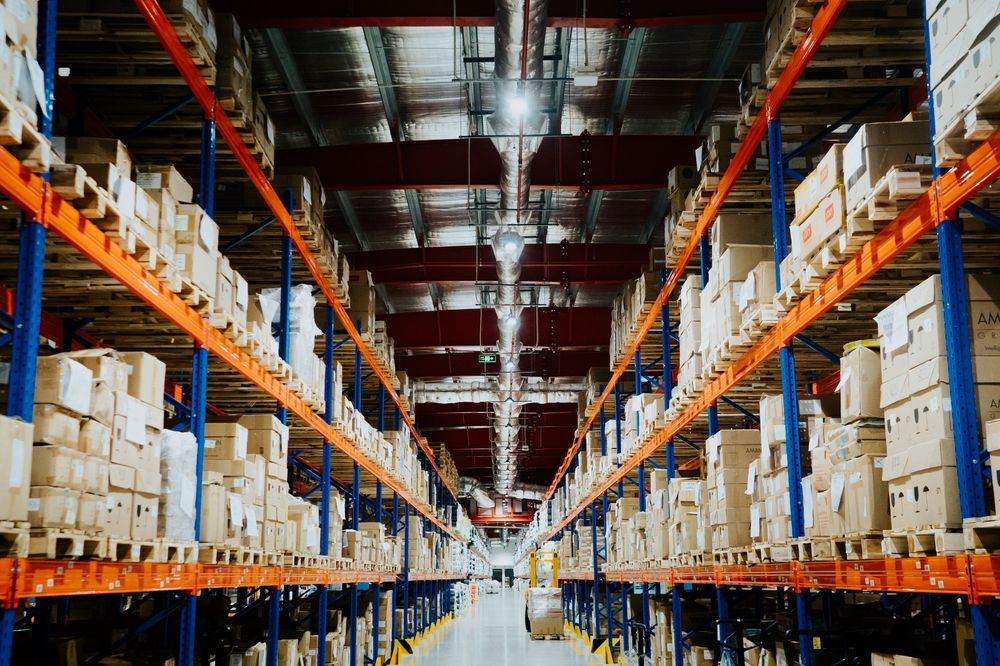
For decades, warehouses have relied on traditional humidity control methods to manage moisture and reduce the risk of corrosion. Common approaches include the use of dehumidifiers, HVAC systems, and desiccant materials designed to absorb excess water vapour from the air. While these systems help regulate relative humidity, they can be expensive to operate and often struggle to maintain consistent performance in large or poorly sealed facilities.
Ventilation is another common strategy, with fans and air circulation systems used to minimise condensation. However, this method can be counterproductive in humid climates where incoming air already contains high moisture levels. Temperature control through air conditioning or heating can also help stabilise the dew point, but energy costs and maintenance demands can quickly escalate.
Although these techniques provide some level of protection, they primarily target environmental conditions rather than the root cause of metal corrosion. As a result, warehouses increasingly combine these traditional systems with advanced VCI solutions to achieve more effective, long-term humidity and corrosion control across complex storage environments.
VCI Solutions for Warehouse Humidity Control
Volatile Corrosion Inhibitor (VCI) technology has emerged as a highly effective solution for managing warehouse humidity and preventing corrosion on stored metal assets. Unlike traditional methods that only regulate environmental moisture, VCI solutions work at the molecular level to protect metal surfaces directly. They release invisible, corrosion-inhibiting vapours that bond with the metal, forming a protective layer that blocks oxygen and water molecules – the key drivers of rust and oxidation.
VCI packaging materials, such as films, papers, and emitters, are easy to integrate into existing warehouse storage systems. They offer continuous protection without the need for constant monitoring or power supply, making them both efficient and cost-effective. When combined with stable temperature and humidity control systems, VCIs can dramatically reduce corrosion rates and extend the lifespan of critical components.
These systems are particularly valuable in warehouses located in humid or coastal environments where high moisture levels pose a constant threat to uncoated metal surfaces. By establishing a microclimate of protection around each asset, VCI technology mitigates the risk of corrosion even in challenging conditions. This proactive approach not only preserves the structural integrity of metals but also minimises maintenance costs, downtime, and product losses due to rust-related damage.
Integrating VCI Solutions with Environmental Controls
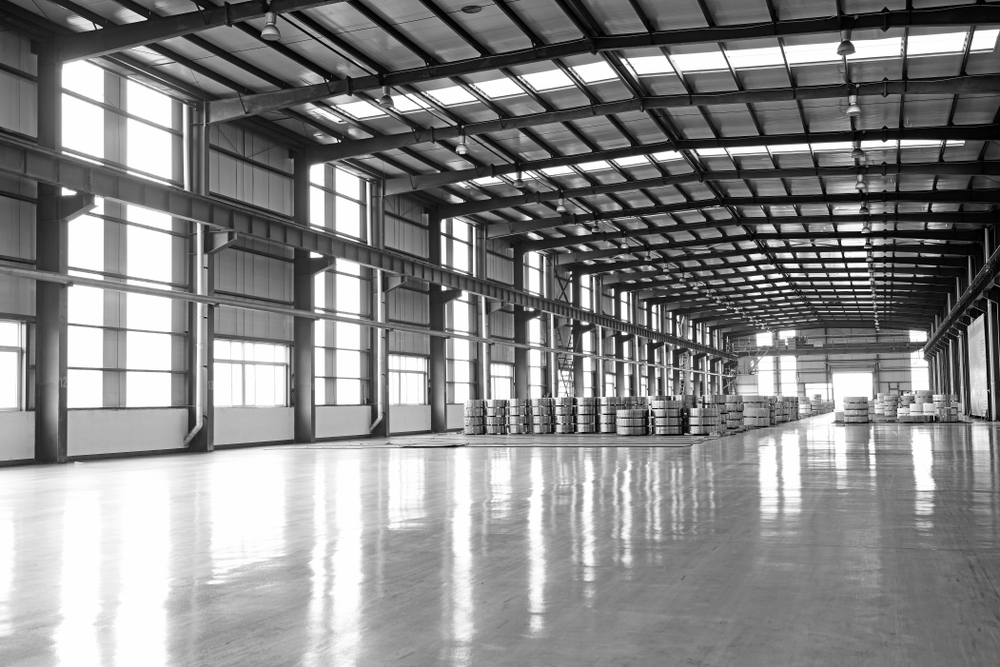
The most effective approach to warehouse humidity control involves integrating VCI technology with environmental management systems. While VCI packaging and VCI emitters protect metal assets at the molecular level, maintaining consistent temperature and relative humidity ensures these protective systems work at maximum efficiency. When combined, these strategies create a comprehensive barrier against corrosion that safeguards valuable metal inventory throughout the supply chain.
A well-designed warehouse environment starts with climate control. Using HVAC systems or dehumidifiers to maintain humidity below 60 per cent helps minimise condensation and moisture accumulation. Pairing this with VCI packaging, films, or vapour emitters ensures that even when air moisture fluctuates, the metal surface remains shielded from oxidation. This dual-layer protection is particularly effective for long-term storage, export shipments, or spare part warehousing.
It is also important to monitor dew point levels, as sudden temperature changes can cause hidden condensation on metal surfaces. VCI systems mitigate this by forming a vapour-phase barrier that neutralises these micro-environments before corrosion can occur.
Monitoring and Maintenance Best Practices
Consistent monitoring and maintenance are essential for ensuring the effectiveness of warehouse humidity control and corrosion prevention systems. Even with advanced VCI solutions in place, environmental conditions can change due to seasonal variations, ventilation issues, or temperature fluctuations. Regular assessment of relative humidity (RH), dew point, and temperature levels helps identify risks before they lead to corrosion damage.
Warehouses should use calibrated humidity and temperature sensors to provide real-time data, ensuring RH stays below 60 per cent – the threshold where condensation and oxidation often begin. Routine inspections of storage areas, particularly in corners or near loading bays, can reveal hidden moisture or condensation build-up.
Replacing VCI emitters, films, and desiccants at recommended intervals is also vital to maintain continuous corrosion protection. Over time, exposure to air and temperature changes can reduce their effectiveness.
Documenting these checks and adopting predictive maintenance practices not only extend the life of metal assets but also optimise energy efficiency and reduce waste. By combining proactive monitoring with VCI-based corrosion protection, warehouses can ensure a stable, controlled environment that keeps valuable metal components in peak condition throughout storage and transport.
Environmental and Cost Benefits of VCI-Based Humidity Control
Using VCI solutions in combination with warehouse humidity control offers significant environmental and economic advantages. By reducing the need for frequent maintenance and replacement of corroded metal assets, warehouses can lower operational costs while minimising resource waste. Many modern VCI products are biodegradable and comply with environmental standards, providing a sustainable approach to corrosion prevention.
In addition to cost savings, integrating VCIs with dehumidifiers and HVAC systems enhances energy efficiency. By protecting metal surfaces at the molecular level, these solutions reduce the frequency and intensity of climate control measures required to maintain low-moisture environments.
Effective warehouse humidity control is critical for preventing corrosion and protecting valuable metal assets. By combining environmental management strategies such as dehumidifiers and HVAC systems with advanced corrosion protection solutions, warehouses can maintain stable conditions that significantly reduce rust and oxidation. This integrated approach not only extends the lifespan of stored metals but also lowers maintenance costs and minimises operational downtime. Proactive humidity monitoring, coupled with molecular-level corrosion protection, ensures a resilient storage environment. Investing in these strategies safeguards inventory, supports sustainability goals, and optimises long-term warehouse performance.
Contact Australian Inhibitor for your corrosion prevention needs. We are backed by over 65 years of experience and are here to help with corrosion protection for your metal assets.
Get in touch with us by calling 03 9768 2322 or by filling in our online contact form and we will get back to you.
FAQ: Warehouse Humidity Control and VCI Solutions
Q1: Why is humidity control important in warehouses storing metal assets?
High humidity accelerates rust and corrosion, which can damage equipment, spare parts, and machinery. Controlling moisture protects assets and extends their lifespan.
Q2: How do VCI solutions help with corrosion in humid environments?
VCIs release protective vapours that form a molecular barrier on metal surfaces, preventing oxidation and rust even when relative humidity fluctuates.
Q3: Can VCI technology replace traditional humidity control methods?
VCIs are most effective when used alongside dehumidifiers or HVAC systems. They complement environmental controls rather than replacing them entirely.
Q4: What humidity level is ideal to prevent corrosion in warehouses?
Maintaining relative humidity below 60% is recommended. Combining this with VCI packaging ensures enhanced protection for stored metals.
Q5: Are VCI products environmentally friendly?
Yes, modern VCI solutions are biodegradable and comply with environmental safety standards, offering sustainable corrosion protection for industrial storage environments.